• DSA Malaysia 2026 Highlights: UAV Systems, Integrated Soldier Equipment & Tactical Technologies May 29, 2026
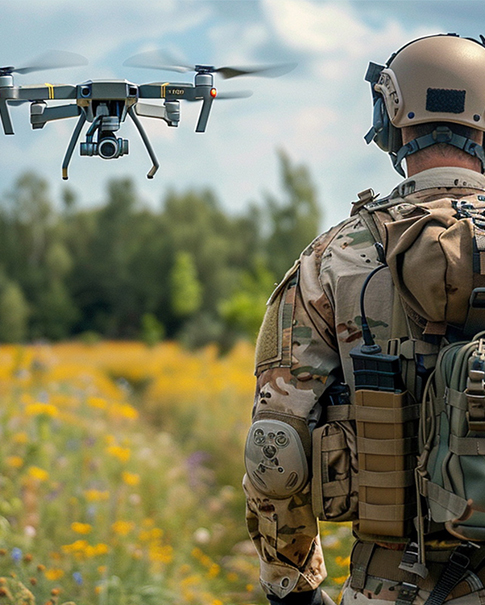
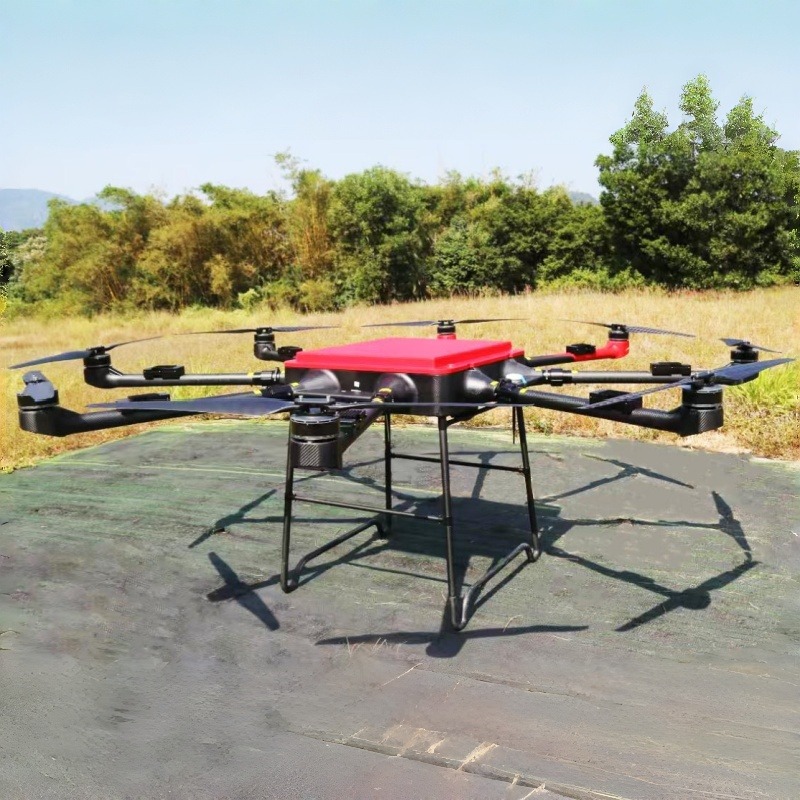
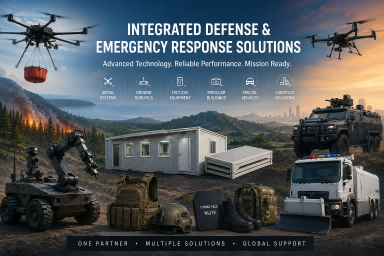
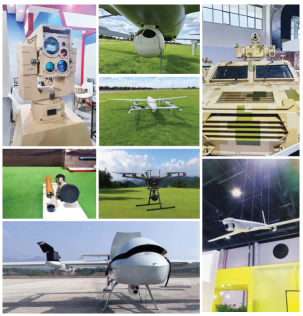
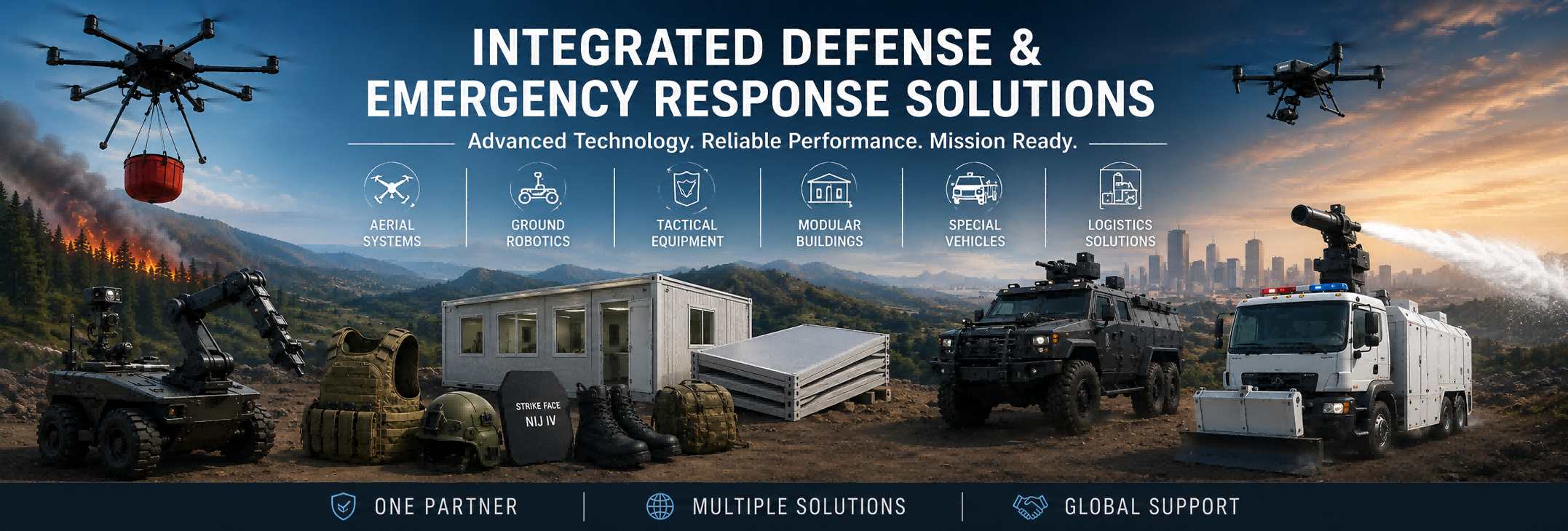
    How Defense Technology Trends Are Shaping Southeast Asia’s Security Market DSA Defence Services Asia 2026, held in Kuala Lumpur, Malaysia from 20–23 April 2026, highlighted the growing demand for advanced UAV systems, integrated soldier technologies, and modern tactical equipment across Southeast Asia. During the exhibition, China Xinxing Xiamen Import And Export Co., Ltd. showcased a range of military, police, and emergency response solutions at Booth 11312B Hall 11, attracting attention from defense professionals, distributors, and security organizations from multiple regions. The exhibition demonstrated several major trends currently shaping the global defense and homeland security market. Why Southeast Asia Is Increasing Investment in UAV & Tactical Systems Many countries in Southeast Asia are accelerating investments in defense modernization, border security, emergency response capability, and intelligent battlefield technologies. Several operational challenges are driving demand for advanced defense equipment, including: Border surveillance requirements Rapid emergency response missions Disaster relief operations Maritime security monitoring Urban tactical operations Battlefield situational awareness improvement As a result, defense agencies are increasingly adopting: Tactical UAV platforms Integrated soldier systems Portable communication technologies Rapid deployment equipment Lightweight protection systems The DSA exhibition clearly reflected this regional demand trend. Tactical UAV Systems Became a Major Focus at DSA 2026 One of the most discussed technology categories during the exhibition was unmanned aerial systems (UAS). China Xinxing Xiamen presented multiple UAV solutions designed for military, emergency response, and industrial missions, including: VTOL cargo drones Tethered firefighting drones Long-range reconnaissance UAVs Payload delivery drone platforms Emergency response UAV systems These platforms are increasingly being used for: Tactical logistics Firefighting support Border patrol Reconnaissance missions Search and rescue operations Infrastructure monitoring Compared with traditional operational methods, UAV systems provide faster deployment capability, lower operational risk, and wider mission flexibility. As global security operations continue evolving, intelligent unmanned systems are becoming a core component of modern defense infrastructure. Integrated Soldier Systems Continue to Evolve Another important trend observed at DSA Malaysia 2026 was the growing focus on integrated soldier systems. Modern military and law enforcement operations increasingly require soldiers to operate as connected tactical units rather than isolated personnel. China Xinxing Xiamen displayed a range of integrated soldier equipment solutions, including: Tactical ballistic helmets Communication devices Protective systems Tactical vests Combat boots Night operation accessories Load-bearing tactical gear Modern integrated soldier systems are designed to improve: Situational awareness Communication efficiency Tactical mobility Operational protection Mission coordination capability Lightweight materials, modular equipment structures, and intelligent communication integration are becoming key development directions for next-generation soldier systems. Emergency Response & Homeland Security Technologies Are Expanding Rapidly In addition to military applications, many technologies displayed at DSA 2026 were also relevant for homeland security and emergency response operations. Governments and security organizations are increasingly seeking technologies that support: Wildfire response Urban rescue missions Riot control operations Critical infrastructure protection Disaster relief deployment Public safety surveillance Tethered UAV firefighting systems and rapid deployment tactical equipment attracted particular interest due to their ability to improve operational efficiency in complex environments. This reflects the growing overlap between defense technology, public safety systems, and emergency management solutions. International Cooperation Remains a Key Industry Direction DSA Defence Services Asia 2026 also highlighted the importance of international defense cooperation and localized operational solutions. During the exhibition, China Xinxing Xiamen held discussions with distributors, procurement specialists, and defense partners regarding: Regional distribution cooperation OEM & ODM manufacturing Tactical equipment customization UAV system integration Security modernization projects As different countries face unique operational requirements, customized and adaptable defense solutions are becoming increasingly important in global procurement markets. Future Trends in Defense Technology Several major defense technology trends became clear during DSA Malaysia 2026: 1. Intelligent UAV systems are becoming standard operational tools Unmanned systems are now widely used for reconnaissance, logistics, emergency response, and surveillance operations. 2. Integrated soldier systems are becoming lighter and smarter Modern soldier equipment increasingly focuses on mobility, connectivity, and operational efficiency. 3. Emergency response capability is a growing procurement priority Governments are investing more heavily in technologies supporting disaster response and homeland security. 4. Southeast Asia remains a fast-growing defense market The region continues expanding investments in tactical modernization and advanced operational systems. Conclusion DSA Defence Services Asia 2026 provided valuable insight into the future direction of global defense, tactical, and emergency response technologies. Through participation in the exhibition, China Xinxing Xiamen Import And Export Co., Ltd. demonstrated its capabilities in UAV systems, integrated soldier equipment, and tactical security solutions while strengthening cooperation opportunities with international partners. As defense and security requirements continue evolving worldwide, advanced unmanned systems, intelligent tactical equipment, and rapid deployment technologies will continue playing an increasingly important role across military, homeland security, and emergency response operations.
  • China Xinxing: proveedor líder de equipos militares y policiales en México
    China Xinxing: proveedor líder de equipos militares y policiales en México Mar 27, 2025
    En CHINA XINXING XIAMEN, nos enorgullecemos de nuestro alcance global y nuestra capacidad para atender diversos mercados a nivel mundial. Hoy, nos complace compartir la historia de nuestro éxito en el mercado militar y policial de México.Llevamos más de dos décadas abasteciendo al mercado de defensa mexicano, adaptando nuestros productos y servicios a las demandas y preferencias específicas del ejército y la policía mexicana. Gracias a una exhaustiva investigación de mercado y a un equipo dedicado, hemos experimentado un crecimiento y un éxito constantes.Nuestro compromiso con la personalización y la adaptabilidad nos permite brindar soluciones a la medida, garantizando que nuestra oferta se ajuste a las necesidades del sector de defensa mexicano. Ofrecemos productos como placas balísticas, cascos balísticos, máscaras antigás, coderas y rodilleras, trajes antidisturbios, gafas tácticas, etc. La creación de sólidas alianzas y el mantenimiento de una presencia local han sido fundamentales para nuestros logros.
  • ¿Cómo elegir tus botas de combate y calzado militar?
    ¿Cómo elegir tus botas de combate y calzado militar? Dec 03, 2021
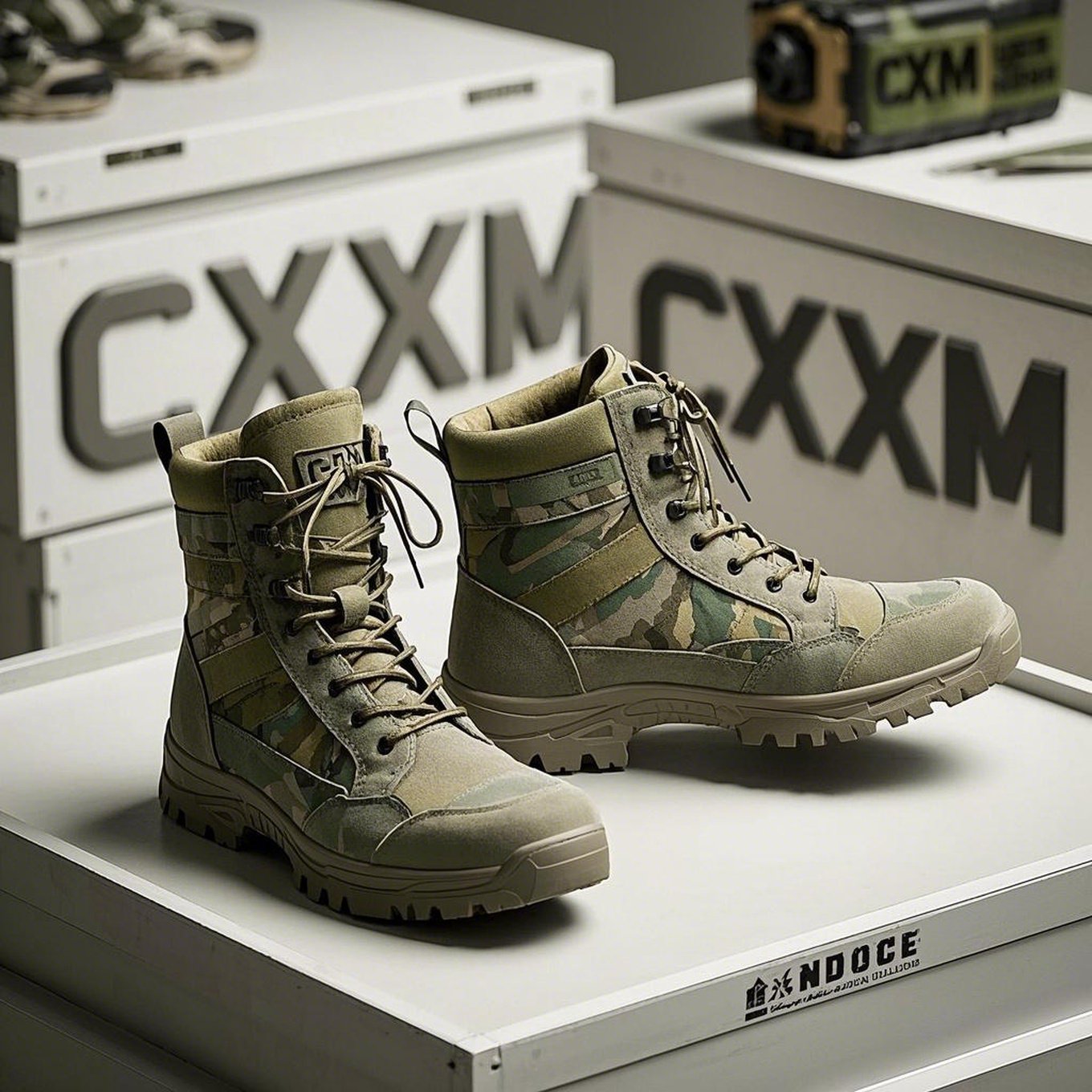
    Botas tácticas Desempeñan un papel fundamental en la ejecución eficaz y correcta de su misión, por lo que debe considerarlo debidamente. Con esto en mente, queremos facilitarle el proceso mostrándole las características y factores importantes que debe considerar antes de realizar su próxima compra para su arsenal táctico. Estas características se clasifican en las cuatro categorías que se mencionan a continuación:• Tracción• Durabilidad• Parte superior y suelas flexibles• Transpirabilidad Selección de botas tácticas basadas en misiones
  • La diferencia entre la piel de vaca de primera capa y la piel de vaca de segunda capa
    La diferencia entre la piel de vaca de primera capa y la piel de vaca de segunda capa May 12, 2023
    Diferentes densidades de fibra Como todos sabemos, el cuero llamado primera capa de piel de vaca proviene de la capa superficial de la piel de vaca, por lo que la piel hecha de ella tiene las características de textura delicada de la piel de vaca más original. Sin embargo, la segunda capa de piel de vaca es diferente. La piel de vaca se compone principalmente de dos o incluso tres capas en el corte transversal, por lo que su corteza es relativamente áspera y dura. Diferentes espesoresEl grosor de la primera capa de piel de vaca es generalmente de unos 1,4 mm, mientras que el grosor de la segunda capa de piel de vaca es más grueso que el de la anterior. Diferentes procesos de producciónLa primera capa de cuero es exquisita en su proceso de producción y no se le añaden demasiadas sustancias, pero la segunda capa es diferente. Requiere pulverización con productos químicos o combinación con películas de PVC y PU. Entonces, el cuero de vaca de dos capas es relativamente duro y no lo suficientemente suave.Dado que está hecho de piel de vaca de diferentes partes de la vaca, la textura del cuero producido debe ser diferente. La primera capa de piel de vaca se siente muy suave al tacto y el cuero es muy suave y cómodo, pero la segunda capa de piel de vaca se siente un poco más áspera y no se siente tan cómoda como la primera capa. Precio diferente Generalmente, el precio de los artículos de cuero hechos de piel de vaca de primera capa es relativamente alto y el material de los artículos de cuero es duradero, por lo que no es tan fácil que se desprendan de la piel. Pero la piel de vaca de segunda capa, debido a su bajo contenido de corteza, es relativamente barata, por lo que puede estallar o romperse después de un uso prolongado. ¿Es mejor la primera capa o la segunda? A través de la introducción de los puntos anteriores, si elegimos productos de piel de vaca, la calidad de la primera capa de piel de vaca definitivamente será mejor. La mayor parte de la piel de vaca de primera capa se procesa directamente, la estructura de fibra cortical que produce tiene alta densidad, finura, textura y tiene las características más naturales. Sin embargo, la piel de vaca de dos capas es una capa dividida de piel de vaca, y casi toda la piel de vaca de dos capas estará hecha de polietileno y otros materiales en la producción. Por lo tanto, la textura de la piel de vaca de segunda capa es mucho peor que la de la piel de vaca de primera capa, y la permeabilidad al aire de la piel de vaca de segunda capa es peor que la de la piel de vaca de primera capa, que es propensa a agrietarse y otros fenómenos.  
  • Descubra nuestras soluciones de comunicación por radio en África
    Descubra nuestras soluciones de comunicación por radio en África May 24, 2024
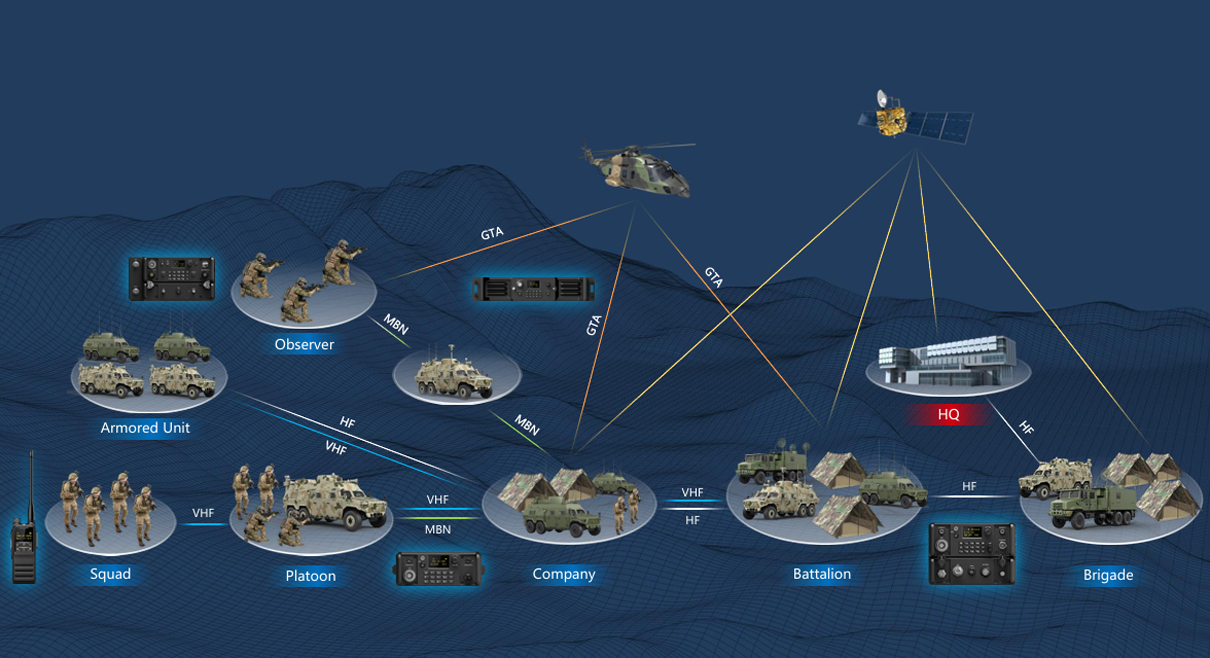
    Descubre Nuestra Radio CSoluciones de comunicación en África En el ámbito de las operaciones militares, la comunicación fiable y segura es fundamental. La capacidad de largo alcance y la comunicación segura por radio permiten una coordinación eficaz entre las tropas durante las operaciones de seguridad fronteriza.Los dispositivos de radiocomunicación de China Xinxing están diseñados para satisfacer las exigentes necesidades de la guerra moderna. Gracias a su amplio uso en el mercado africano, ofrecemos un rendimiento y una asequibilidad inigualables en comparación con las marcas europeas. Línea de productos:Radios portátiles. Radios portátiles. Radios para vehículos. Radios de estación base. Radios de comunicación satelital. Radios multibanda. PRR. SDR. Redes de radio tácticas. Descripción general del producto:Diseño robusto y duradero:Nuestras radios militares están diseñadas para soportar condiciones ambientales adversas, como temperaturas extremas, polvo y agua. Su carcasa robusta garantiza un funcionamiento fiable sobre el terreno, lo que las convierte en la opción ideal para las fuerzas militares africanas.Comunicación segura:Comprendemos la importancia de las transmisiones seguras. Nuestras radios cuentan con tecnología de cifrado avanzada, lo que garantiza la confidencialidad de sus comunicaciones y su protección contra interceptaciones.Capacidad de largo alcance:Con transmisores potentes y receptores sensibles, nuestras radios proporcionan un rango de comunicación extendido, lo que permite una coordinación perfecta y un control de comando en operaciones a gran escala.Rango de frecuencia versátil:Nuestras radios admiten una amplia gama de frecuencias, lo que permite una comunicación flexible y adaptable en diversos escenarios y entornos.Interfaz fácil de usar:El diseño intuitivo y los controles fáciles de usar hacen que nuestras radios sean accesibles para todo el personal militar, lo que garantiza una implementación rápida y un funcionamiento eficiente. Nuestra ventaja:Costo-efectividad:Nuestros equipos de radio militar ofrecen una excelente relación calidad-precio. Con precios competitivos, ofrecemos soluciones de comunicación de alta calidad que se ajustan a las limitaciones presupuestarias de las fuerzas militares africanas, sin comprometer el rendimiento.Soporte y servicio local:Con una sólida presencia en el mercado africano, ofrecemos atención al cliente y servicio posventa especializados. Nuestros equipos locales están listos para ayudarle con cualquier problema técnico, garantizando un tiempo de inactividad mínimo y una comunicación fluida.Personalización:Se puede personalizar para satisfacer necesidades operativas específicas. Contáctenos hoy para obtener más información sobre nuestras soluciones de radio militar.
  • Using UAV to Detect Suspicious Objects and Heat Sources
    Using UAV to Detect Suspicious Objects and Heat Sources Jun 12, 2026
    Modern UAVs (drones) equipped with AI-powered multi-sensor cameras are transforming surveillance, industrial inspection, and emergency response. Platforms like LIBRA4 and MINI4T allow operators to detect suspicious objects, identify heat sources, and track targets without exposing personnel to risk. 1. Multi-Sensor UAV Cameras Visible Light & Zoom Cameras: High-resolution imaging allows operators to inspect details from a safe distance. LIBRA4 offers 22x lossless zoom, while MINI4T achieves 100x digital zoom. Thermal Imaging: Detects heat signatures from humans, animals, vehicles, or machinery, critical for search & rescue or night operations. Laser Rangefinders: Precise measurement up to 1200m for both LIBRA4 and MINI4T, aiding in mapping and situational analysis. AI Target Tracking: Onboard AI (6 TOPS) enables automatic detection, classification, and tracking of suspicious objects. 2. Operational Scenarios   Security & Counter-Terrorism: Monitor crowds, borders, or sensitive areas for suspicious devices. Industrial Inspection: UAVs can scan pipelines, rooftops, and power infrastructure, detecting anomalies or heat sources. Search & Rescue: Thermal sensors locate missing persons in disaster zones or low-visibility conditions. Military & Tactical Recon: Support UAV reconnaissance with high-resolution imaging and AI object tracking. 3. Advantages of LIBRA4 and MINI4T Feature LIBRA4 MINI4T Weight 300g 180g Zoom 22x Lossless 100x Digital Thermal Sensor 640×512 640×512 Laser Rangefinder 1200m 5–1200m AI 6 TOPS 6 TOPS UAV Compatibility 50cm wheelbase 30cm wheelbase Split-Screen Display ✔ ✔ LIBRA4: Ideal for medium drones requiring robust multi-sensor payloads. MINI4T: Perfect for small UAVs needing lightweight AI cameras for reconnaissance. 4. Tips for Effective UAV Detection   Choose the right drone size and payload to maintain flight stability. Optimize AI models for the target environment (industrial, urban, tactical). Use split-screen to combine thermal and visible sensors for comprehensive situational awareness. Regularly calibrate laser rangefinder for accuracy. Conclusion   UAVs equipped with LIBRA4 and MINI4T allow professionals to safely detect suspicious objects and heat sources, whether for security, industrial inspection, or search & rescue operations. With advanced AI tracking, thermal imaging, and high-resolution cameras, these UAVs are essential tools for modern missions.
  • How Intelligent Warehousing Is Transforming Modern Logistics
    How Intelligent Warehousing Is Transforming Modern Logistics Jun 30, 2026
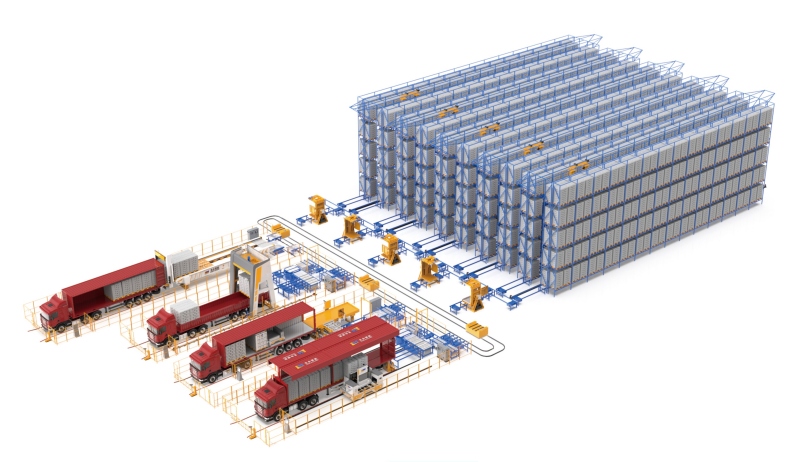
    As global supply chains become increasingly complex, warehouses are expected to do far more than simply store inventory. Businesses today need faster order fulfillment, higher storage density, real-time inventory visibility, and lower operating costs—all while facing labor shortages and rising customer expectations. This shift has accelerated the adoption of Intelligent Warehousing, where automation, robotics, and digital management systems work together to create highly efficient logistics operations.   From automated storage and retrieval systems (AS/RS) to AGVs, shuttle systems, robotic palletizers, and warehouse management software, intelligent warehousing is reshaping the future of industrial logistics. What Is an Intelligent Warehousing System? An intelligent warehousing system is an integrated solution that combines automated equipment, intelligent control software, and digital information management to optimize every stage of warehouse operations. Unlike traditional warehouses that rely heavily on manual labor and forklifts, automated warehouses use interconnected systems to manage storage, transportation, picking, sorting, and shipping with minimal human intervention. Typical components include: Automated Storage and Retrieval Systems (AS/RS) High-density racking systems Shuttle storage systems AGV and AMR transportation robots Conveyor systems ODM OEM Intelligent Warehousing Solution | ASRS, AGV, Shuttle & Warehouse Automation Systems Company - chinaarmysupplier.com Why Traditional Warehouses Are No Longer Enough Many warehouses continue to depend on manual operations, but growing order volumes and tighter delivery schedules expose several limitations. Common challenges include: Limited storage utilization High labor dependency Frequent picking errors Slow truck loading and unloading Inventory inaccuracies Rising operational costs Difficulty scaling during peak seasons As businesses expand, these issues directly affect customer satisfaction and profitability.   Warehouse automation addresses these challenges by replacing repetitive manual processes with intelligent equipment capable of operating continuously and consistently. Robotic palletizing cells Automatic truck loading equipment Warehouse Management System (WMS) Warehouse Control System (WCS)   Together, these technologies create a warehouse that operates with greater speed, accuracy, and scalability. Core Technologies Behind Smart Warehouses Automated Storage and Retrieval Systems (AS/RS) AS/RS solutions maximize vertical storage space while automatically storing and retrieving inventory. High-speed stacker cranes move pallets or storage bins with exceptional precision, reducing retrieval times and improving inventory control.   This technology is widely used in manufacturing plants, distribution centers, and cold storage facilities where storage density is critical. Shuttle Storage Systems Shuttle systems use autonomous carriers to transport goods within storage racks, significantly increasing throughput while minimizing travel distance. Compared with conventional rack storage, shuttle technology offers: Faster order processing Better scalability Higher storage density Improved warehouse flexibility These systems are particularly effective for facilities managing thousands of SKUs or handling high-volume outbound shipments. AGVs and Autonomous Material Handling Autonomous Guided Vehicles (AGVs) and Autonomous Mobile Robots (AMRs) have become essential components of intelligent logistics. Instead of relying on forklift operators, AGVs transport materials automatically between production lines, warehouses, and shipping areas. Key benefits include: Reduced labor requirements Improved operational safety Continuous 24-hour operation Flexible route planning Easy integration with manufacturing systems Intelligent Conveying and Sorting Conveyor networks and automatic sorting systems ensure products move efficiently throughout the warehouse. Barcode scanners, RFID readers, and vision systems automatically identify products and direct them to the correct storage or shipping destination.   For e-commerce, retail, and parcel distribution centers, automated sorting significantly increases daily processing capacity while reducing manual errors. Automated Truck Loading Warehouse automation does not end at storage. Automatic truck loading systems connect directly with warehouse conveyors to automate outbound logistics. Instead of multiple forklift operators loading trucks one pallet at a time, intelligent loading equipment transfers cargo quickly, safely, and consistently. This helps businesses:   Reduce truck waiting times Improve shipping efficiency Lower labor costs Minimize product damage ODM OEM Automatic Truck Loading System | Intelligent Unmanned Vehicle Loading Solution Company - chinaarmysupplier.com ODM OEM Automatic Truck Loading System | Intelligent Warehouse Loading Equipment Manufacturer Company - chinaarmysupplier.com ODM OEM Rail Guided Truck Loading System | Automated Gantry Loading Solution Company - chinaarmysupplier.com Intelligent Software Makes the Difference Automation hardware alone cannot create a smart warehouse. Warehouse software acts as the brain of the entire operation. Warehouse Management System (WMS) The WMS manages inventory locations, order fulfillment, stock rotation, and warehouse operations while maintaining real-time inventory visibility. Warehouse Control System (WCS) The WCS coordinates equipment including conveyors, stacker cranes, AGVs, shuttle systems, and robotic workstations.   Together, these systems enable seamless communication between software and automation equipment, allowing the warehouse to respond dynamically to changing workloads. Industries Benefiting from Intelligent Warehousing Warehouse automation is no longer limited to large logistics companies. Today, intelligent warehousing solutions are widely adopted across multiple industries. Manufacturing Automates raw material storage and finished goods distribution while supporting lean production. Food and Beverage Improves inventory rotation and maintains reliable cold chain operations. Automotive Supports high-density storage of spare parts and production components. Chemical Industry Reduces manual handling of bagged and packaged products while improving workplace safety. Pharmaceutical Ensures accurate inventory tracking and supports strict regulatory compliance. E-commerce Processes thousands of daily orders with high picking accuracy and faster shipping. One Integrated Warehouse Ecosystem The most successful warehouse projects are not built around a single machine. Instead, they integrate multiple automation technologies into one connected ecosystem. A modern intelligent warehouse may include: AS/RS storage Shuttle systems AGVs Conveyor lines Robotic palletizing Automatic truck loading Intelligent sorting WMS and WCS software By allowing these systems to communicate in real time, businesses achieve smoother material flow, greater operational transparency, and higher overall efficiency. The Future of Warehouse Automation Emerging technologies such as artificial intelligence, digital twins, industrial IoT, and machine vision are pushing warehouse automation even further. Future intelligent warehouses will be capable of: Predicting inventory demand Automatically optimizing storage locations Scheduling equipment based on workload Performing predictive maintenance Improving energy efficiency Supporting fully autonomous logistics operations These innovations will enable companies to respond faster to changing market conditions while maintaining lower operating costs. Conclusion Intelligent warehousing is no longer a future concept—it has become a practical solution for businesses seeking greater efficiency, flexibility, and competitiveness. By integrating automated storage systems, intelligent transport equipment, robotic handling, and warehouse management software, companies can transform traditional warehouses into data-driven logistics centers capable of supporting long-term business growth.   Whether you are planning a new automated warehouse or upgrading an existing facility, investing in intelligent warehousing is an important step toward building a more resilient and efficient supply chain.

¿Necesitas ayuda? Chatea con nosotros

dejar un mensaje
For any request of information or technical support, fill in the form.All fields marked with an asterisk* are required.
entregar
CONTÁCTENOS #
+86 15880201125

Nuestro horario

Hogar

Productos

WhatsApp

Contáctenos